

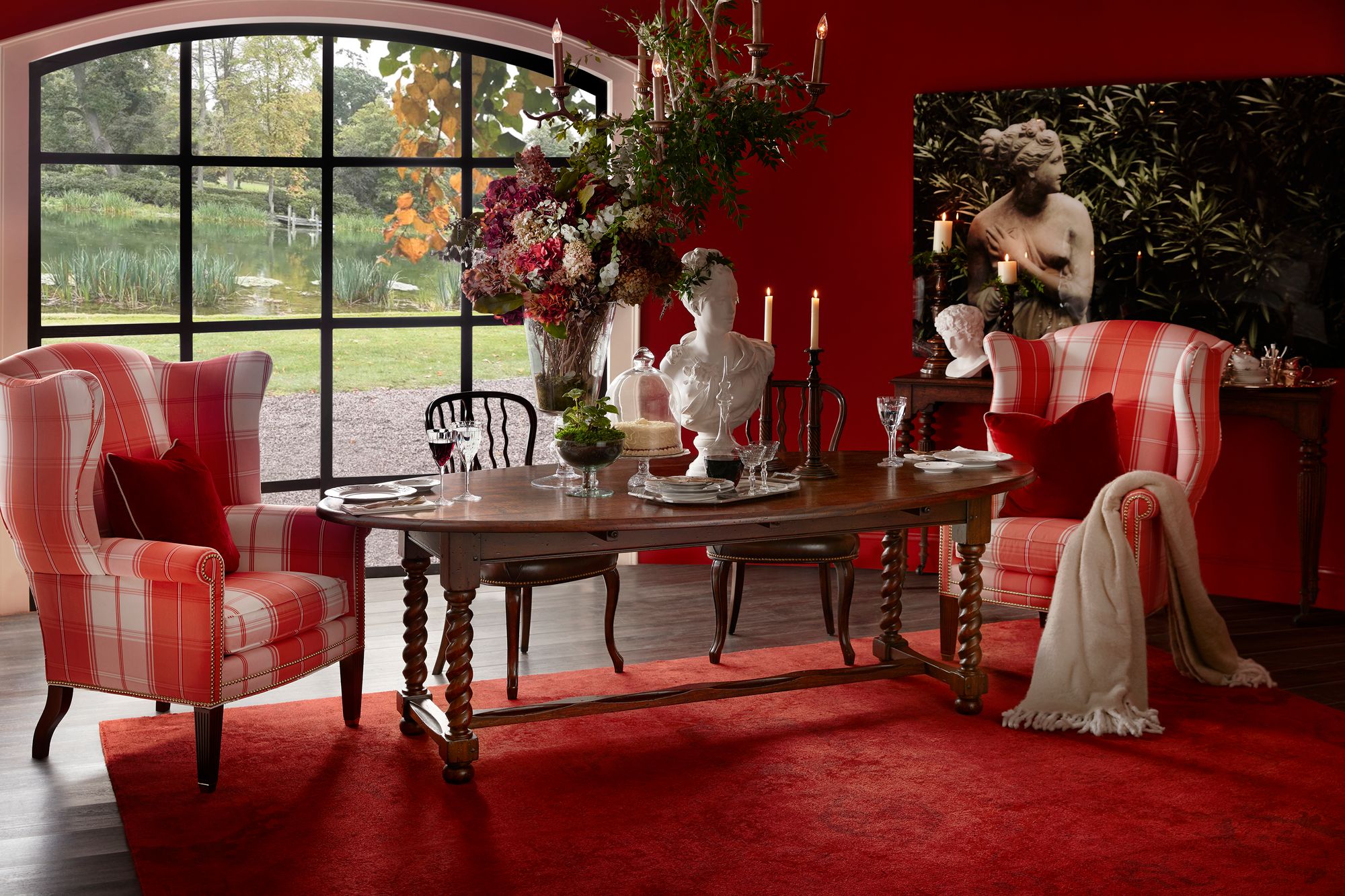
Great interior design has always been about more than what a room looks like in a photograph. The best spaces are designed to be experienced — how they smell when you walk in, how the fabric feels against your hand, how the light falls across a table at 6 p.m. in November. This is sensory design, and it’s quickly becoming one of the defining approaches among luxury designers: rooms engineered not just to impress the eye, but to feel grounded, rich, and connected to the world outside.
Few places lend themselves to this approach as naturally as New Mexico, where the high desert offers a built-in sensory language of clear light, dry air, and dramatic seasonal shifts. Here’s how to design with all the senses in mind as summer gives way to fall.
Scent Is the First Impression, and the Last One People Remember
Long after a guest forgets the color of your walls, they’ll remember how your home smelled. Scent bypasses conscious thought and goes straight to memory and emotion, which is exactly why luxury hotels and high-end retailers invest so heavily in signature fragrances.
For an autumn home, build a scent story with a beginning, middle, and end:
- Entry: something bright and welcoming — cedar, bergamot, or fresh piñon
- Main living spaces: warmer and deeper — amber, sandalwood, or leather
- Bedrooms: calming and soft — lavender, chamomile, or clean linen
Avoid single overpowering scents in favor of a subtle, layered presence across the home. The goal is a signature guests notice but can’t quite place.
If you’re looking to refresh your space this season, NEST Fragrances is a go-to for home scents that feel both luxurious and effortless. Ocean Mist & Sea Salt brings a breezy, coastal calm to any room, with crisp, clean notes that evoke a morning walk along the shoreline.
For something brighter, Sunlit Yuzu & Neroli, winner of the 2025 Best New Fragrance award, blends zesty citrus with soft floral warmth for an uplifting, sun-drenched atmosphere.
Both scents are available as candles and reed diffusers, so you can set the mood with a flickering glow in the evening or enjoy a steady, subtle fragrance all day long. Either one is an easy way to make your home feel like a spa retreat. Visit our luxury furniture showroom in Santa Fe to experience NEST New York scents for yourself!
Texture Is the Language of Comfort
Where color tells the eye what season it is, texture tells the body. As temperatures shift, our instinct is to seek out surfaces that feel substantial — heavier fabrics, denser materials, more visual and physical depth.
A well-layered luxury room should include at minimum:
- One soft, enveloping texture (mohair, boucle, heavyweight wool)
- One structured, tactile texture (leather, suede, woven rattan)
- One hard, grounding texture (stone, aged wood, hammered metal)
This mix isn’t just an aesthetic trend — it reflects a broader shift among interior designers toward materials with honest, visible depth: natural stone, warm woods, and hand-finished metals that feel connected to the landscape rather than mass-produced. In a New Mexico home, this pairs beautifully with existing architectural textures like plaster walls, viga beams, and saltillo tile.
Light Is Design’s Most Powerful — and Most Overlooked — Tool
New Mexico is famous for its light, and no piece of furniture matters more than how it’s illuminated. As daylight hours shrink into fall, interior lighting takes over the emotional work that sunlight was doing all summer.
Designing with light means thinking in layers, not just fixtures:
- Ambient light sets the room’s baseline mood — always dimmable, always warm-toned (2700K–3000K) for fall and winter
- Task light supports function without flattening the room’s atmosphere
- Accent light — candles, sconces, uplighting on textured walls — is where the emotional richness lives
A single well-placed floor lamp beside a leather reading chair, paired with a low-lit room and a lit fireplace, does more to create luxury ambiance than any single piece of furniture could on its own.
Designing for All the Senses, Together
The most memorable rooms don’t rely on one element to carry the mood — they layer scent, texture, and light so that each reinforces the others. A candle without the right lighting falls flat. A luxurious sofa in a harshly lit room loses its warmth. True sensory design treats every element of a space as part of one continuous experience, from the moment someone steps through the door to the moment they finally settle into their favorite chair.
Want to design a home that engages every sense, not just the eye? Let’s create a space suited to how you actually want to live in it — fall and every season after.